


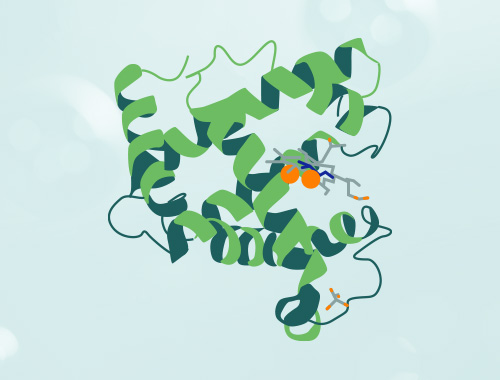
Molecular interaction
Service Features
The core features of the dual-luciferase assay lie in its high sensitivity, precision of internal reference calibration, and flexible application scenarios, which can significantly enhance research efficiency and reduce experimental bias, making it one of the "gold standards" in molecular mechanism research.
Service Introduction
Mechanism research, functional research, and phenotype research at the molecular, cellular, and individual levels are hot topics in biological research. The study of molecular (nucleic acid to nucleic acid, nucleic acid to protein, protein to protein) interactions is an important component of mechanism research and a further deepening of functional and phenotypic studies. With the completion of the Human Genome Project and the deepening of the post genome era, the further development of technologies such as sequencing, mass spectrometry, and joint analysis of biological information has made it possible to screen biomarkers with high throughput and search for biologically related molecules. At the same time, higher requirements have been put forward for the application of molecular interaction technology.
fdasfdsafdsafdsafdsafd
Service Type
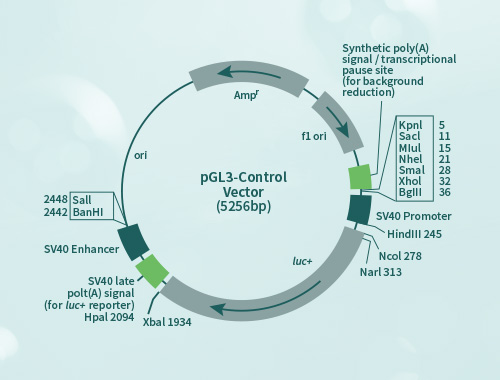
Dual-Luciferase Reporter Assay System
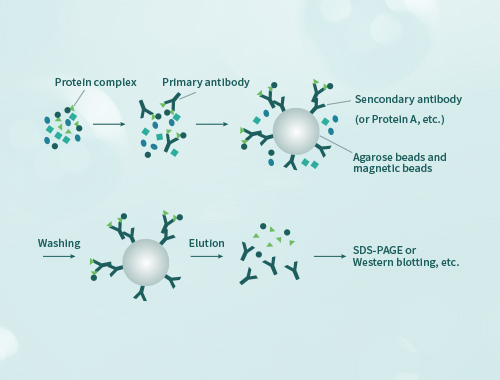
Co-Immunoprecipitation (Co-IP) Detection Service
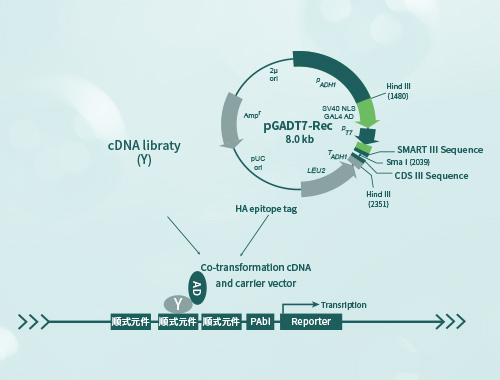
Yeast One-Hybrid (Y1H) Detection Service
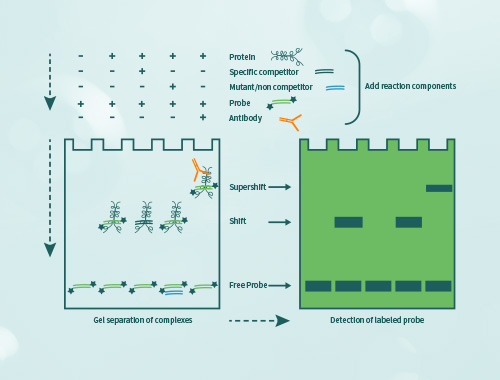
Electrophoretic Mobility Shift Assay (EMSA) Service
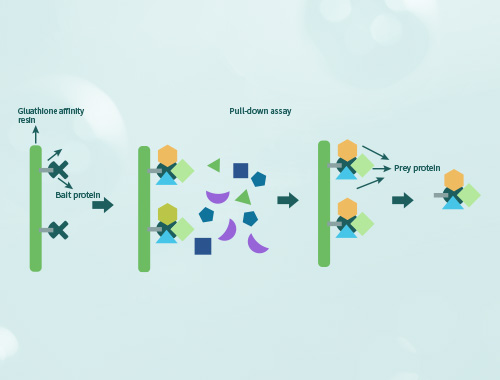
GST Pull-Down Assay Service
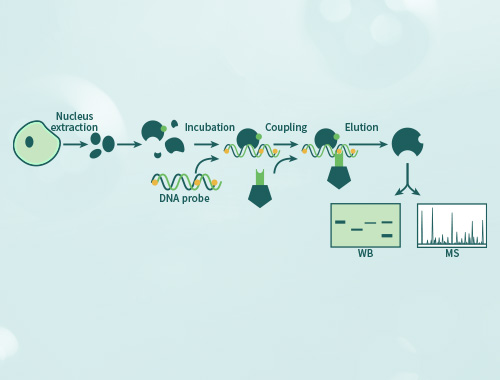
DNA Pull-Down Service
Yeast Two-Hybrid Service
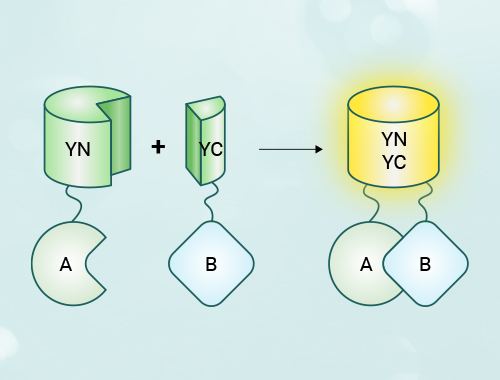
Bimolecular Fluorescence Complementation (BiFC) Service
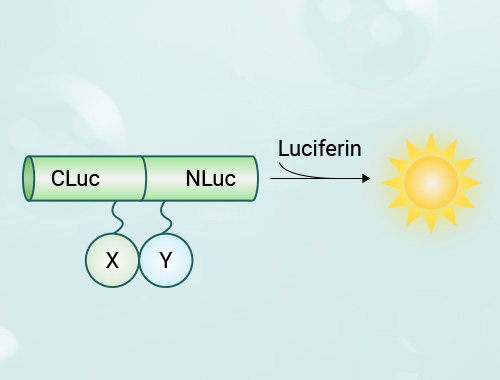
Luciferase Complementation Assay (LCA) Detection Service
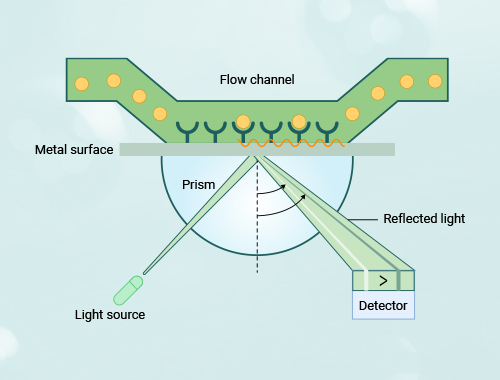
Surface Plasmon Resonance (SPR) Service
Q&A
Introduction to Yeast Hybrid-related vectors, strains, and their functions?
How to choose between Yeast One-Hybrid and Yeast Two-Hybrid based on research needs?
What are the main applications of Luciferase Reporter Gene Assays?
How does the relative activity of Renilla Luciferase compare to Firefly Luciferase?
During PAGE electrophoresis, why don't Oligo DNAs of exactly the same length migrate to the same position?
Can the synthesized DNA/RNA product quantity be determined based on the brightness of the electrophoresis band?
If a co precipitation band between the target protein and the candidate protein is detected, can it directly prove the existence of a direct interaction between the two?
How to narrow down the probe sequence selection range?
What is the experimental workflow for Nuclear Yeast library construction and screening?
GeneCreate's advantages in Yeast Hybrid services?
What are the main Yeast Hybrid services offered by GeneCreate?
Explanation of reporter genes and plate types used in Yeast Hybrid assays?
What are the advantages of Luciferase as a reporter gene compared to Fluorescent Proteins?