


Prostate cancer (PCa) is one of the most common malignant tumors of the male urinary system worldwide. Especially in its advanced stages, treatment options are limited, and drug resistance frequently develops. In recent years, plant-derived exosome-like nanoparticles (PELNs) have emerged as novel tools for cancer therapy due to their natural nanostructures and biological activities. Among them, PELNs derived from traditional Chinese medicine (TCM) have shown promising therapeutic potential in various cancer models; however, relevant studies on their application in prostate cancer remain lacking. Astragalus membranaceus (Huangqi), a classic TCM herb, has been confirmed to exert immunomodulatory and antitumor activities. Nevertheless, the low delivery efficiency of its active components and unclear mechanisms of action have long been critical bottlenecks restricting its clinical translation.
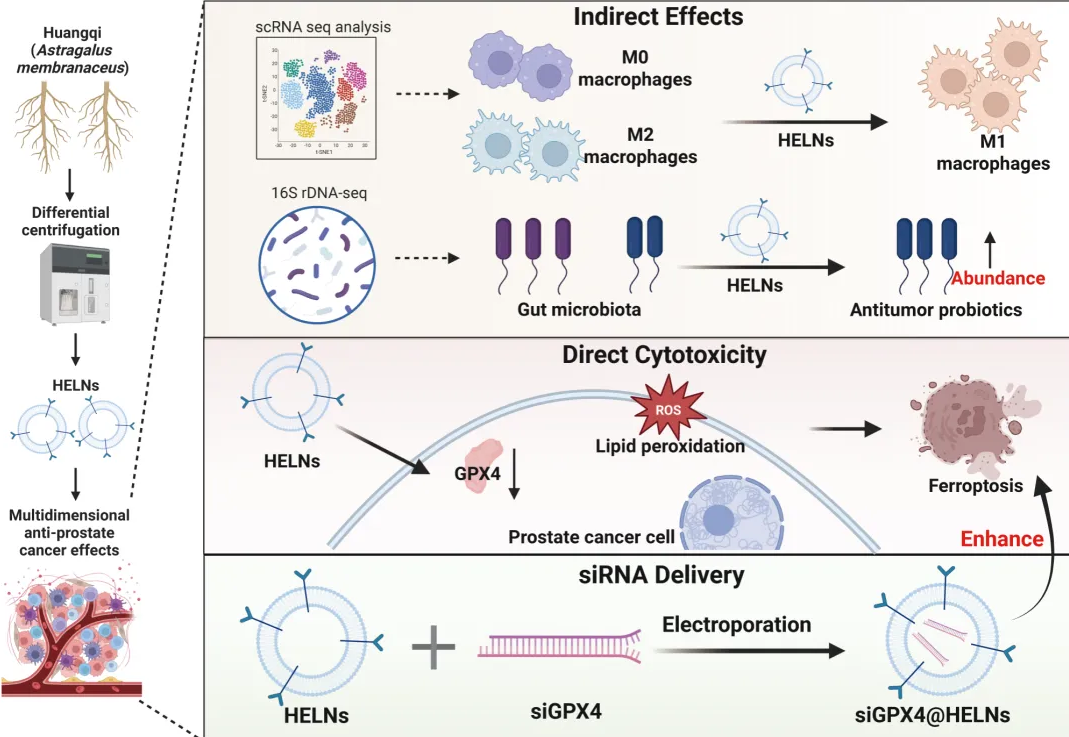
On March 12, 2026, the team led by Shaogang Wang and Qidong Xia from Tongji Hospital, Tongji Medical College, Huazhong University of Science and Technology, published an innovative study in Journal of Nanobiotechnology entitled “Therapeutic translation of traditional Chinese medicine Huangqi derived exosome like nanoparticles: targeting prostate cancer through ferroptosis activation, immune reprogramming, and microbiome modulation”. The researchers isolated exosome-like nanoparticles from fresh Astragalus membranaceus (HELNs) and systematically revealed the triple mechanism by which HELNs suppress prostate cancer—direct killing + immune remodeling + microbiota regulation—through integrated multi-omics analyses including single-cell sequencing, 16S rDNA sequencing, and transcriptomics.
I. Research Innovations
(1)Filling the gap of PELNs in prostate cancer therapy
This study represents the first systematic investigation applying TCM-derived exosome-like nanoparticles to prostate cancer treatment, opening new avenues for PELNs in prostate cancer research.
(2)Multi-omics integration reveals triple antitumor mechanisms
For the first time, this study combined single-cell sequencing, 16S rDNA sequencing, and bulk RNA-seq to comprehensively dissect the in vitro and in vivo mechanisms of HELNs:
Direct induction of ferroptosis: HELNs downregulate GPX4 protein expression, triggering lipid peroxidation and Fe²⁺ accumulation;
Immune remodeling: Repolarize M2-type tumor-associated macrophages (TAMs) toward an M1 phenotype, enhancing antitumor immunity;
Microbiota regulation: Significantly enrich the antitumor probiotic Akkermansia muciniphila, whose antitumor effect can be transferred via fecal microbiota transplantation.
(3)Construction of siGPX4@HELNs nanodrug system for synergistic enhancement
Using reversible electroporation, siRNA targeting GPX4 was loaded into HELNs to construct siGPX4@HELNs. These nanoparticles significantly enhanced ferroptosis induction both in vitro and in vivo, with superior antitumor efficacy compared to HELNs alone, and no obvious organ toxicity.
(4)Providing a new paradigm for modernization research of traditional Chinese medicine
This study demonstrates a complete research pipeline from “TCM active components” to “natural nanovesicles” and further to “targeted delivery systems”, offering an applicable strategy for the modern translation of traditional Chinese medicine.
II. Research Design
1. Extraction and Characterization of HELNs
HELNs were successfully isolated from fresh Astragalus membranaceus roots via differential centrifugation. Transmission electron microscopy (TEM) revealed typical spherical vesicle structures. Nanoparticle tracking analysis (NTA) showed a main particle size peak at 112 nm, with stable Zeta potential and good batch-to-batch consistency (CV < 2%). Lipidomic analysis identified ceramide (Cer, 29.7%) and phosphatidic acid (PA, 16.2%) as major lipid components. The high Cer content—an amide compound formed by dehydration of long-chain fatty acids and sphingosine—suggested secretion via the multivesicular body pathway, conferring strong bioactivity and delivery potential.
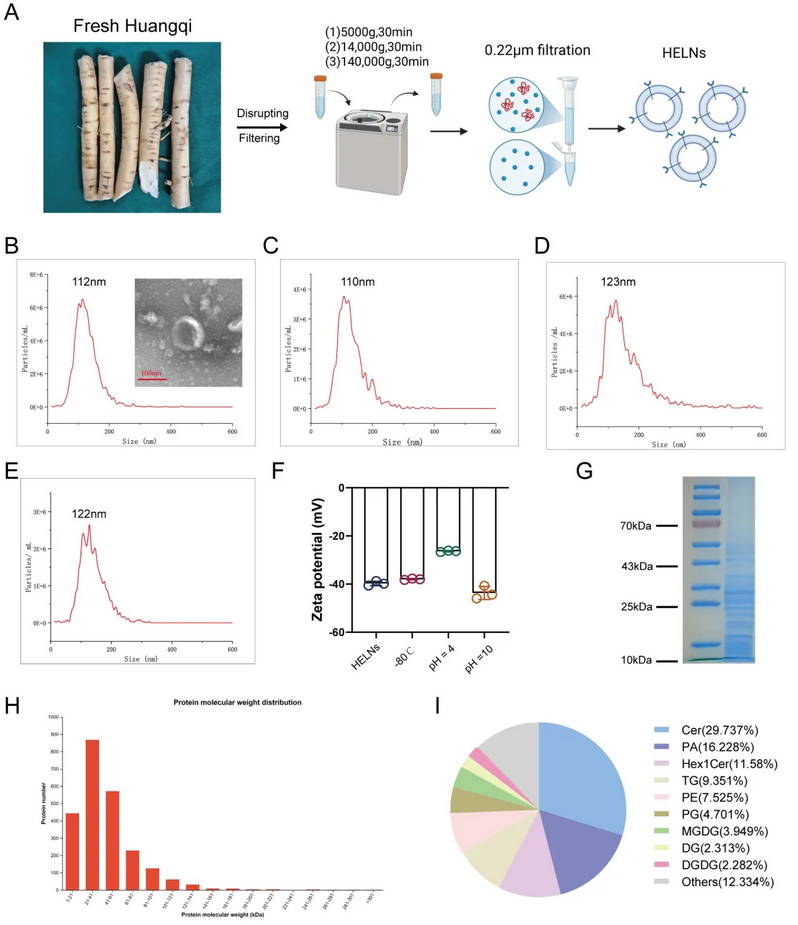
Figure 1. Extraction workflow and characterization of HELNs
2. In Vitro Uptake and Antitumor Effects of HELNs
After incubation of PKH26-labeled HELNs with four prostate cancer cell lines (22Rv1, LNCaP, PC-3, C4-2), flow cytometry showed efficient time-dependent cellular uptake, with C4-2 cells exhibiting the fastest uptake (98% at 12 h). CCK-8 assays demonstrated that HELNs inhibited the viability of all four prostate cancer cell lines in a concentration- and time-dependent manner. Overall, cell viability decreased to approximately 50% at concentrations of 32 to 64 µg/mL. Thus, 32 μg/mL and 64 μg/mL were selected as low- and high-concentration groups for subsequent cancer cell treatment. Meanwhile, HELNs induced apoptosis, suppressed colony formation and Transwell migration in prostate cancer cells, while showing low toxicity toward normal prostate epithelial RWPE-1 cells. In vivo experiments compared intraperitoneal, intravenous, and intragastric administration; intraperitoneal injection effectively inhibited tumor growth without significant effects on mouse body weight and was therefore chosen as the main route for subsequent studies.
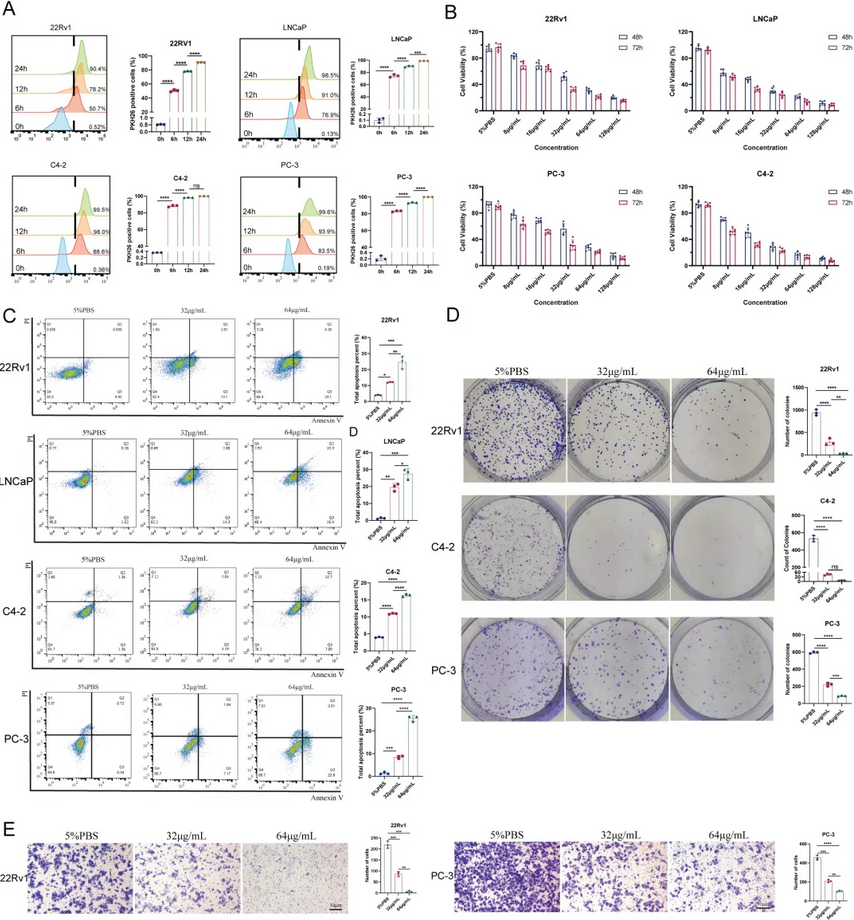
Figure 2. Uptake of HELNs by prostate cancer cells and in vitro cytotoxicity of HELNs
3. Single-Cell Sequencing Reveals HELNs Remodel the Tumor Immune Microenvironment
Single-cell RNA sequencing was performed on 6 mouse xenograft samples (36,424 high-quality cells across 20 clusters). The HELNs treatment group showed a markedly increased proportion of immune cells, especially M1 macrophages and neutrophils. Cell–cell communication analysis revealed enhanced interactions between M1 macrophages and other immune cells following HELNs treatment, accompanied by upregulated expression of functional genes (Nos2, Tnf, Il12) and a reduced proportion of M2 macrophages. KEGG analysis showed that M1 macrophages were enriched in the IL-17 signaling pathway, TNF signaling pathway, and lipid metabolism pathway. In summary, single-cell sequencing revealed that HELNs remodel the tumor microenvironment of prostate cancer, particularly by elevating the proportion and functional status of antitumor M1 macrophages.
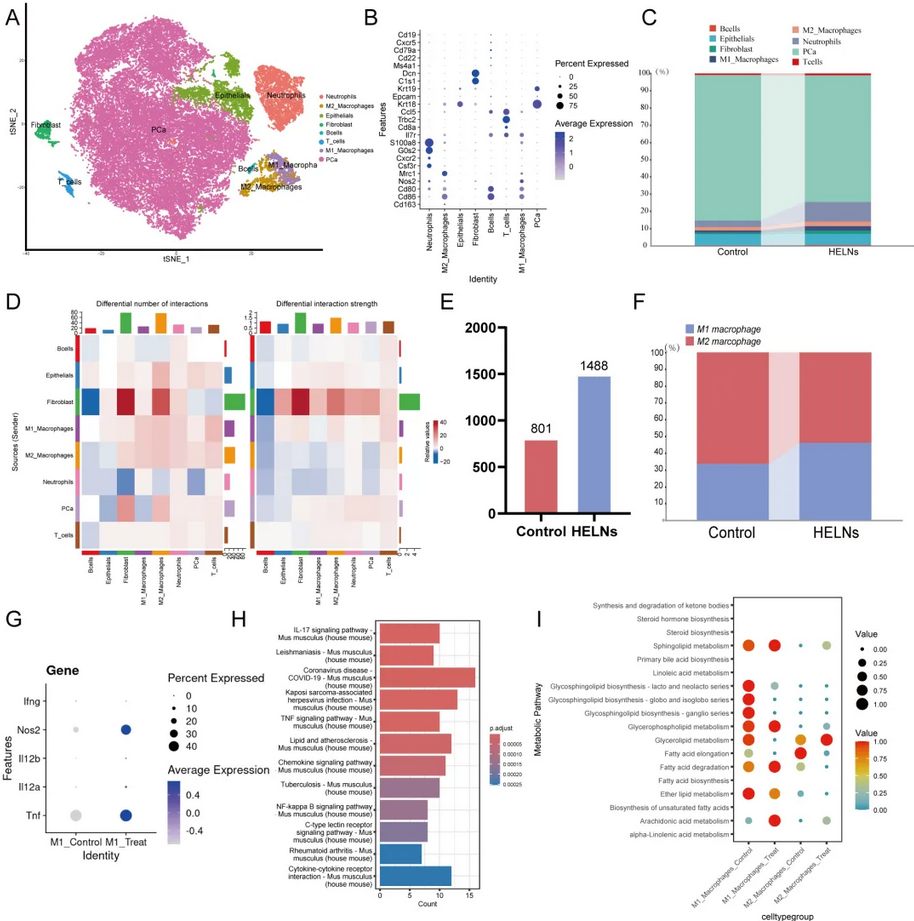 Figure 3. Single-cell sequencing reveals HELNs reshaping the intratumoral immune landscape
4. HELNs Reverse M2 Macrophage Polarization and Induce M1 Polarization
In vitro, treatment of mouse bone marrow-derived macrophages (BMDMs) with HELNs upregulated M1 markers (Nos2, Cd80, Tnfa) in M0 macrophages. In IL-4-induced M2 macrophages, HELNs significantly increased M1 markers and decreased M2 markers (Cd206). Western blotting confirmed that HELNs elevated iNOS (encoded by Nos2) and ARG1 expression in M0 macrophages. The slight upregulation of ARG1 represents normal activation of macrophage function, as it can also be detected in IFNγ-induced M1 macrophages. In vivo validation further showed that intraperitoneal HELNs injection significantly suppressed growth of subcutaneous RM-1 tumors in C57BL/6 mice. Flow cytometry and immunofluorescence staining revealed increased M1 and decreased M2 macrophage infiltration within tumors, with no obvious abnormalities in liver or kidney function.
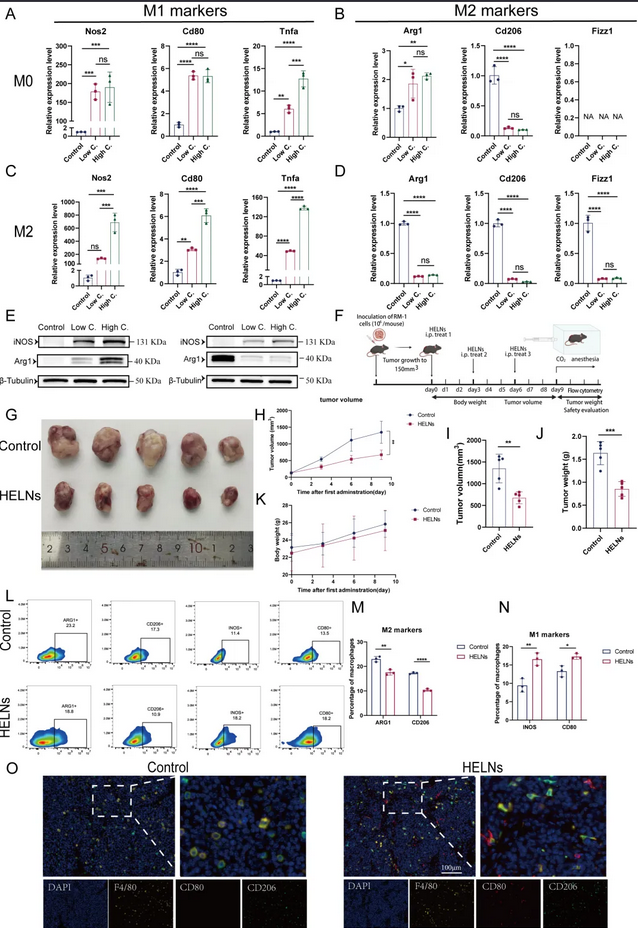
Figure 4. HELNs reverse M2 polarization and induce M1 polarization
5. HELNs Enrich Intestinal Antitumor Probiotics
In vivo distribution of DiR-labeled HELNs showed predominant accumulation in the intestine, liver, and spleen, suggesting potential effects on the gut microbiota. 16S rDNA sequencing revealed significantly increased abundance of antitumor probiotics including Verrucomicrobia and Akkermansia in the mouse gut following HELNs treatment, with no significant changes in overall α-diversity. Fecal microbiota transplantation (FMT) experiments confirmed accelerated tumor growth in recipients of feces from tumor-bearing mice, whereas tumor burden was markedly reduced in recipients of feces from HELNs-treated mice, demonstrating that HELNs-mediated alterations in the gut microbiota contribute to their antitumor effects.
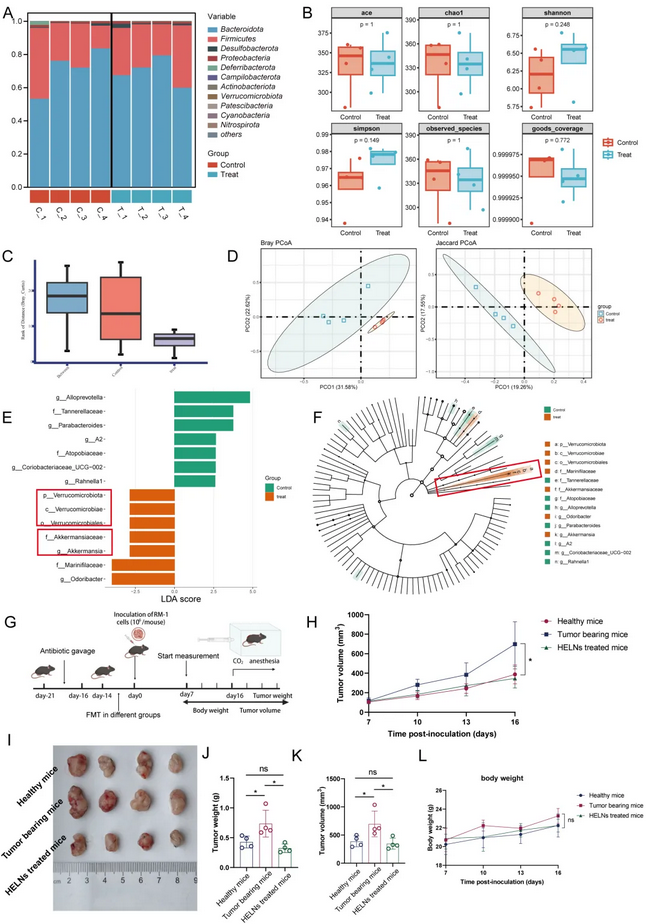
Figure 5. HELNs exert antitumor effects by modulating the gut microbiota
6. HELNs Induce Ferroptosis in Prostate Cancer Cells
Transcriptomic sequencing showed significant enrichment of “ferroptosis” and “oxidative stress” pathways in 22Rv1 cells after HELNs treatment. Typical ferroptotic mitochondrial morphology (mitochondrial shrinkage, cristae disappearance, increased electron density) was observed under TEM. Flow cytometry confirmed that HELNs increased intracellular ROS, lipid peroxides, and Fe²⁺ levels in a concentration-dependent manner. Western blotting showed downregulated GPX4 protein expression, with no significant changes in SLC7A11, ACSL4, or FSP1, indicating GPX4 as a key target of HELNs-induced ferroptosis. In BALB/c nude mice bearing subcutaneous 22Rv1 xenografts, intraperitoneal HELNs injection significantly inhibited tumor growth and reduced tumor weight. Immunohistochemical staining confirmed decreased GPX4 expression in HELNs-treated tumors, with normal liver and kidney function.
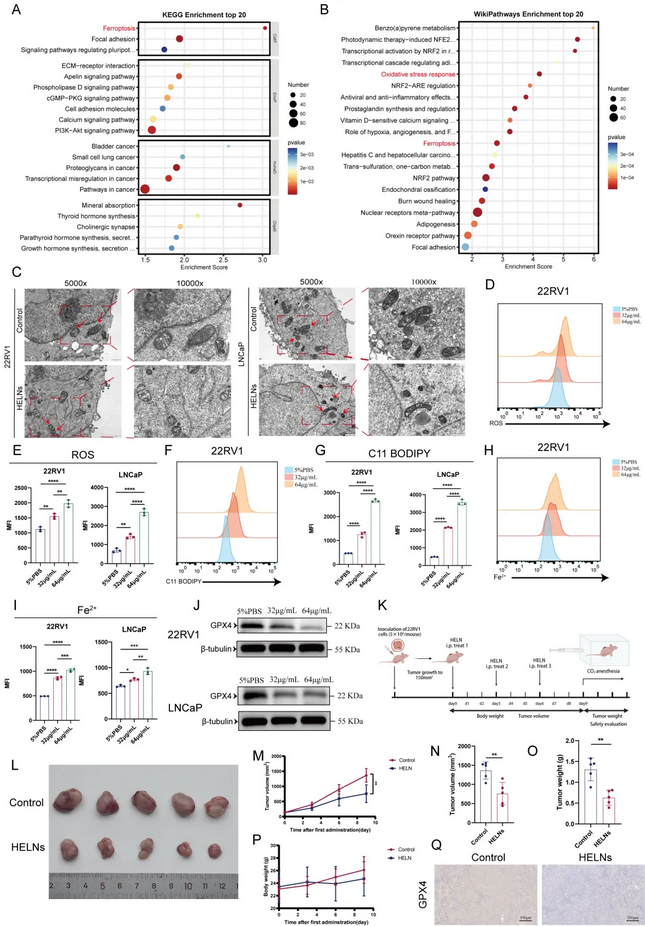
Figure 6. HELNs induce ferroptosis in prostate cancer cells by downregulating GPX4 expression
7. siGPX4@HELNs Nanodrug System Enhances Ferroptosis Efficacy
PELNs serve dual functions: they act as therapeutic agents themselves and can also function as natural carriers to deliver specific drugs across biological barriers and promote cellular uptake. Compared with synthetic carriers, PELNs exhibit longer in vivo retention, cross-species safety, and low immunogenicity. Given that HELNs alone induce ferroptosis in prostate cancer cells by downregulating GPX4, this study loaded siRNA to achieve synergistic enhancement of therapeutic efficacy. A highly efficient GPX4-silencing siRNA sequence (si2) was screened and loaded into HELNs via reversible electroporation, with a loading efficiency of approximately 50%. Fluorescence microscopy showed that siGPX4@HELNs efficiently delivered siRNA into cells. Western blotting confirmed that siGPX4@HELNs reduced GPX4 protein levels more significantly than HELNs alone or the mixture. Functional assays revealed stronger Fe²⁺ accumulation, lipid peroxidation, and cytotoxicity induced by siGPX4@HELNs. In vivo, the siGPX4@HELNs treatment group exhibited the smallest tumor volume and weight, with the lowest GPX4 expression by IHC, and no obvious pathological damage in major organs or abnormal liver/kidney function.
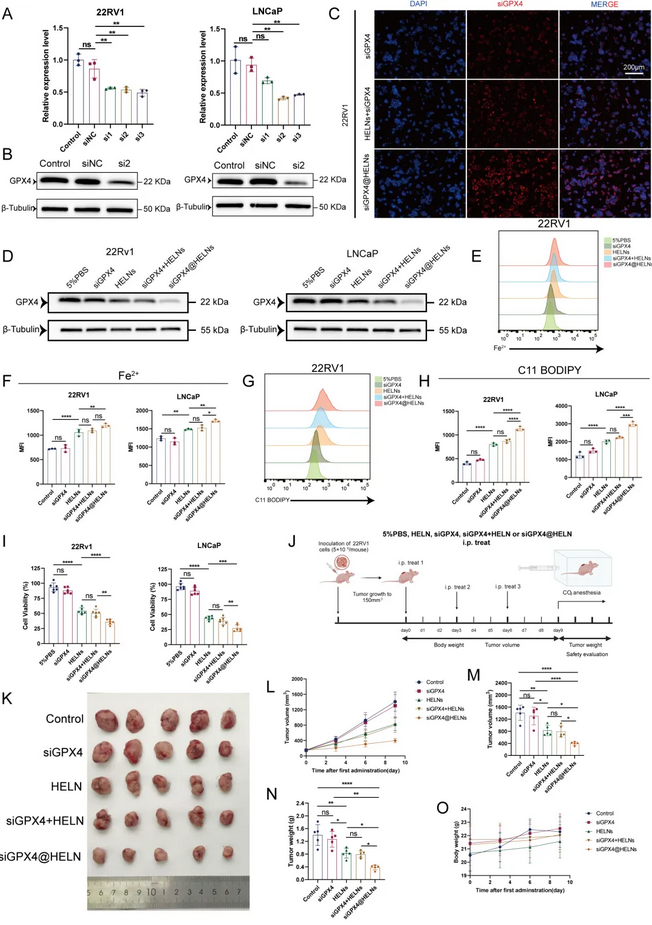 Figure 7. siGPX4@HELNs exert favorable therapeutic effects on prostate cancer in vitro and in vivo with good safety
III. Summary
This study systematically reveals for the first time that Astragalus membranaceus-derived exosome-like nanoparticles (HELNs) treat prostate cancer through three mechanisms:
Direct mechanism: Downregulate GPX4 and induce ferroptosis;
Immune mechanism: Reverse M2 macrophage polarization and activate antitumor immunity;
Microbiota mechanism: Enrich antitumor probiotics and regulate gut microecology.
Furthermore, as a natural nanocarrier, HELNs successfully delivered siGPX4 to construct the more potent siGPX4@HELNs nanodrug, demonstrating favorable safety and synergistic therapeutic efficacy.
Limitations of the Study
The specific metabolites or lipid components in HELNs responsible for core antitumor activity have not been fully identified;
Long-term safety requires further validation: although no obvious acute toxicity was observed, systematic evaluation of long-term application safety is still needed;
The ferroptosis mechanism requires deeper investigation: precisely how HELNs regulate GPX4 expression—including potential transcriptional or post-translational modifications—remains to be elucidated;
Challenges in impurity removal: current extraction methods may not completely eliminate plant-derived impurities, which could hinder clinical translation.
Source:An Y, Xu JZ, Ye GC, Sun JX, Xiang JC, Gong C, Zhang SH, Miao LT, Ma SY, Ding MX, Wang SG, Xia QD. Therapeutic translation of traditional Chinese medicine Huangqi derived exosome like nanoparticles: targeting prostate cancer through ferroptosis activation, immune reprogramming, and microbiome modulation. J Nanobiotechnology. 2026 Mar 11.