


In today's age of information explosion, biological research has long moved past the era of "working behind closed doors." To advance your project efficiently, the key is to stand on the shoulders of giants—quickly acquiring information, accurately analyzing data, and clearly presenting results. Excellent online tools and databases can free researchers from tedious repetitive work, leaving more energy for genuine thinking and innovation, thereby significantly shortening the research cycle.
Many researchers working on the front lines of the laboratory have personally tested these tools and found them effective. This article compiles a selection of practical, time-tested websites for biomedical research, covering literature search, data analysis, visualization, experimental operations, and more. We hope this list will become a reliable assistant on your research journey, helping you achieve twice the results with half the effort!
1. PubMed – Essential Literature Search
Key features: A free search engine maintained by the U.S. National Center for Biotechnology Information (NCBI) that provides literature abstracts in the biomedical and life sciences. It is the most essential and authoritative starting point for finding academic papers.
Web link: https://pubmed.ncbi.nlm.nih.gov/
2. Citexs – All-in-One Platform
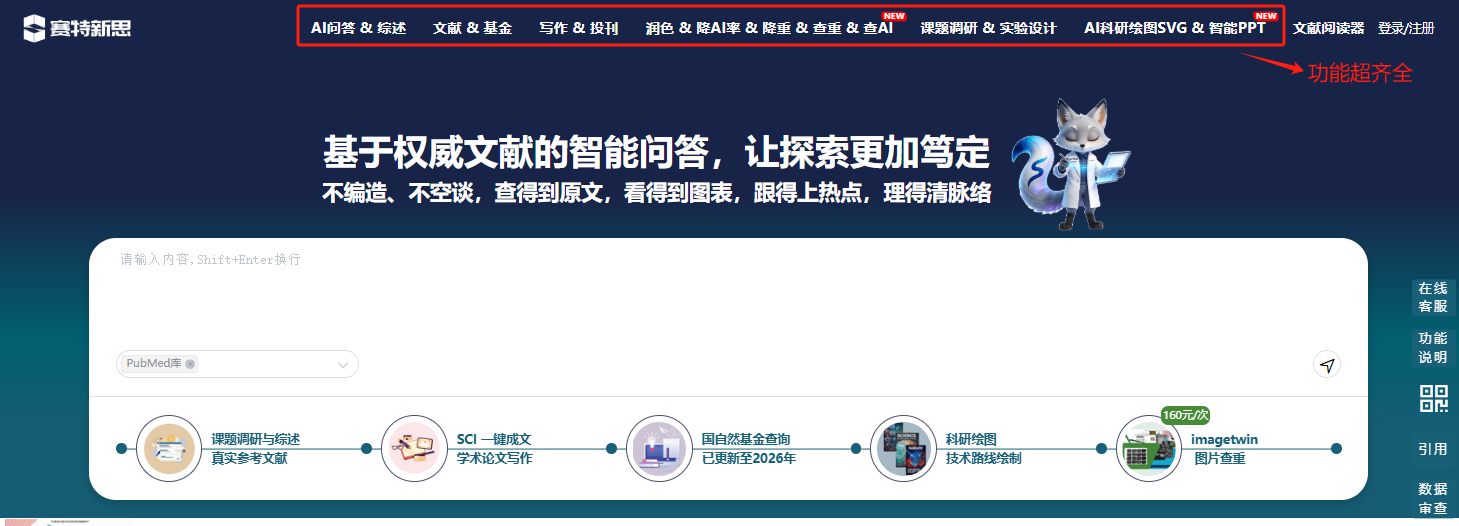
Citexs is a one-stop academic service platform for researchers, centered on intelligent Q&A and research assistance grounded in authoritative literature. It emphasizes "no fabrication, no empty talk," striving to ensure answers are traceable to original sources and accompanied by figures and tables, helping users efficiently complete literature research, paper writing, and submission preparation. The platform integrates literature research and reading, Chinese–English polishing, SCI writing assistance, AI-powered scientific illustration, image plagiarism checking, NSFC (National Natural Science Foundation of China) grant search, and data review, covering multiple key stages of scientific work. Users can access it by scanning a QR code to follow the official WeChat public account; some advanced features require a membership or pay-per-use.
3. AbleSci – Literature Sharing
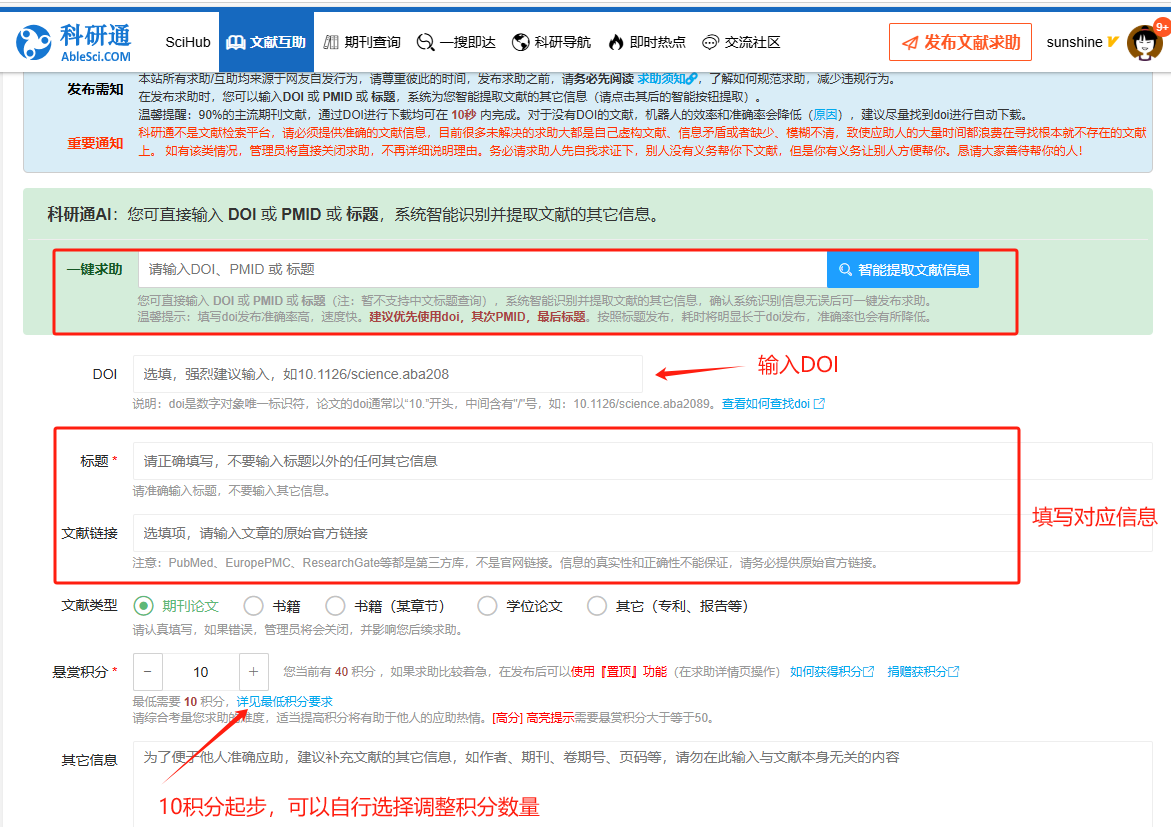
When you cannot download certain papers, you can post a literature request on AbleSci, and other users will help download and upload them so that you can obtain the full text. The platform's biggest advantage is its fast response—within seconds of posting a request, someone offers to help. It is extremely convenient.
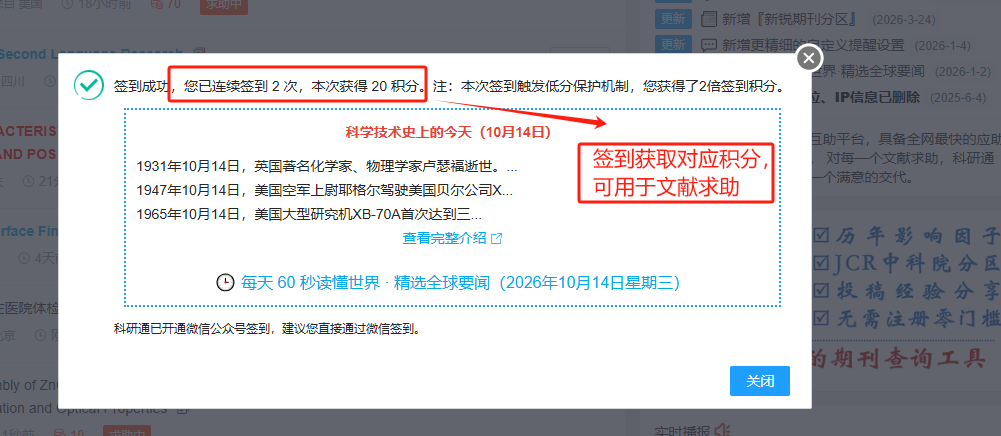
How it works: Enter the paper title and DOI, starting at 10 points per request; you can also sign in regularly to earn points. When downloading papers, you can choose the express lane by spending 2 points to save download time.
URL: https://www.ablesci.com/
4. Connected Papers – Quickly Understand Papers
Enter a paper title to search for strongly related papers; the graph visualization shows the relationships between papers, allowing you to trace back to the original literature.
Web link: https://www.connectedpapers.com/
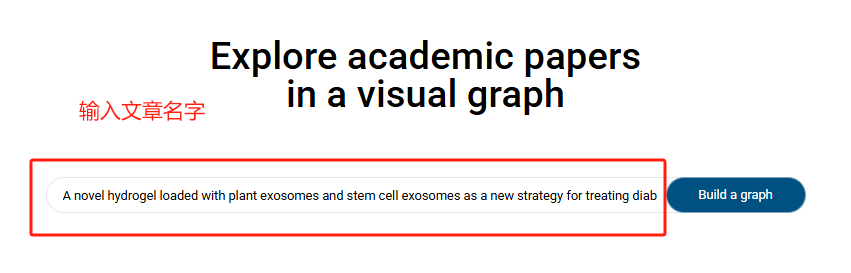
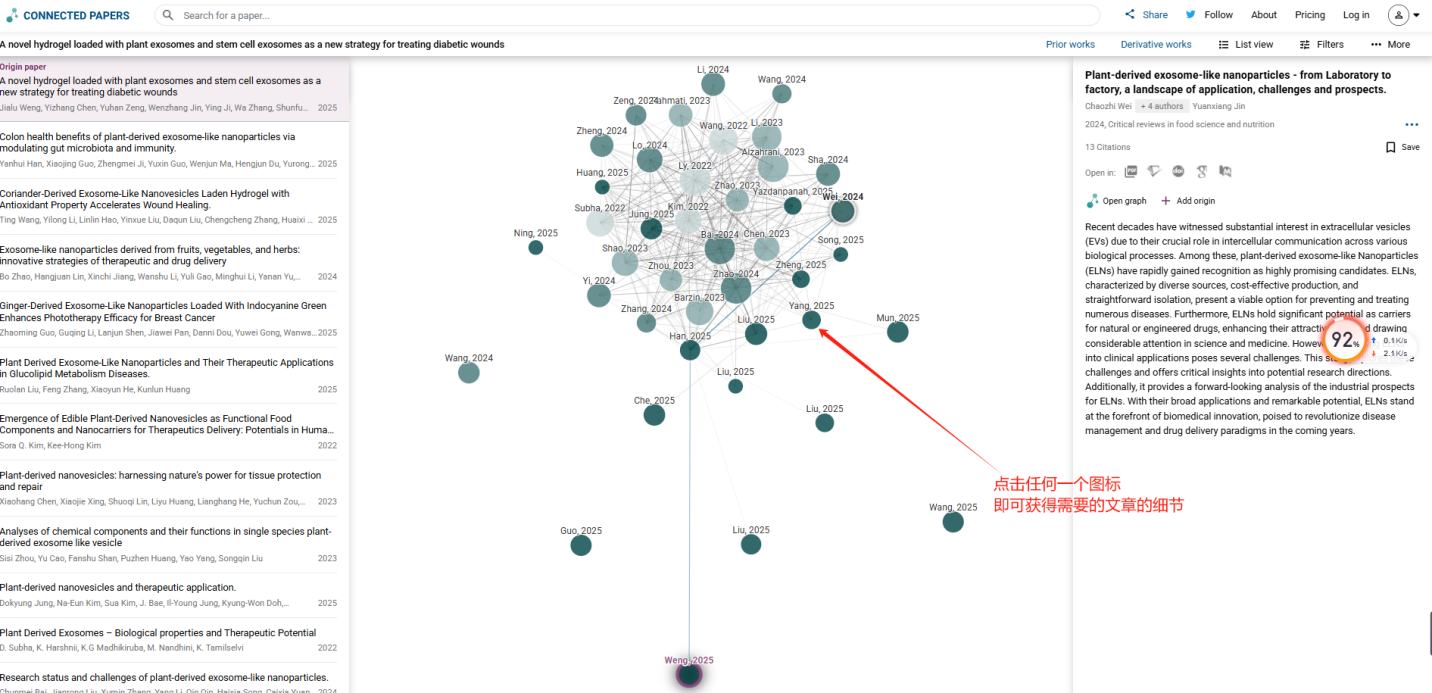
5. NCBI (National Center for Biotechnology Information)
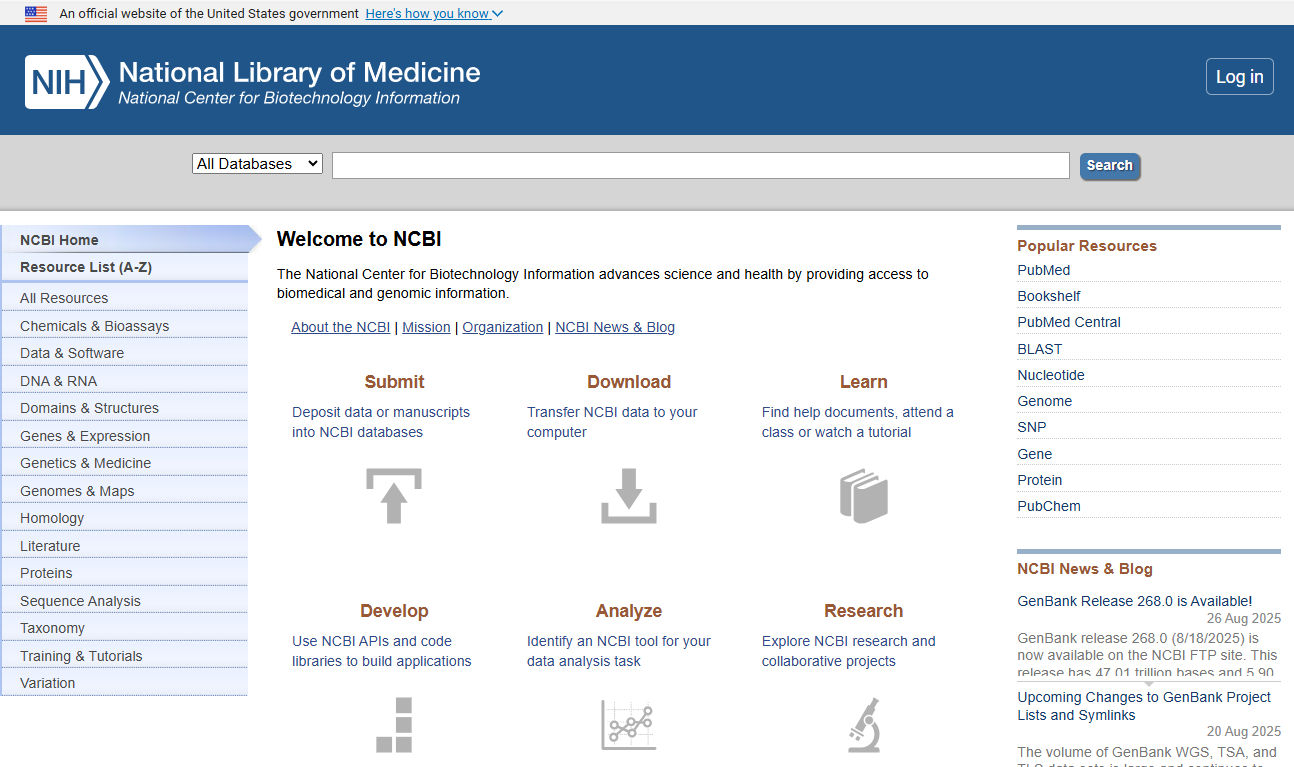
Key features: An extremely powerful comprehensive database portal. It integrates dozens of core databases, including GenBank (gene sequences), PubMed, PMC (full-text journals), BLAST (sequence alignment), dbSNP (single nucleotide polymorphism database), and Gene (gene information), making it an essential gateway for bioinformatics data analysis.
Web link: https://www.ncbi.nlm.nih.gov/
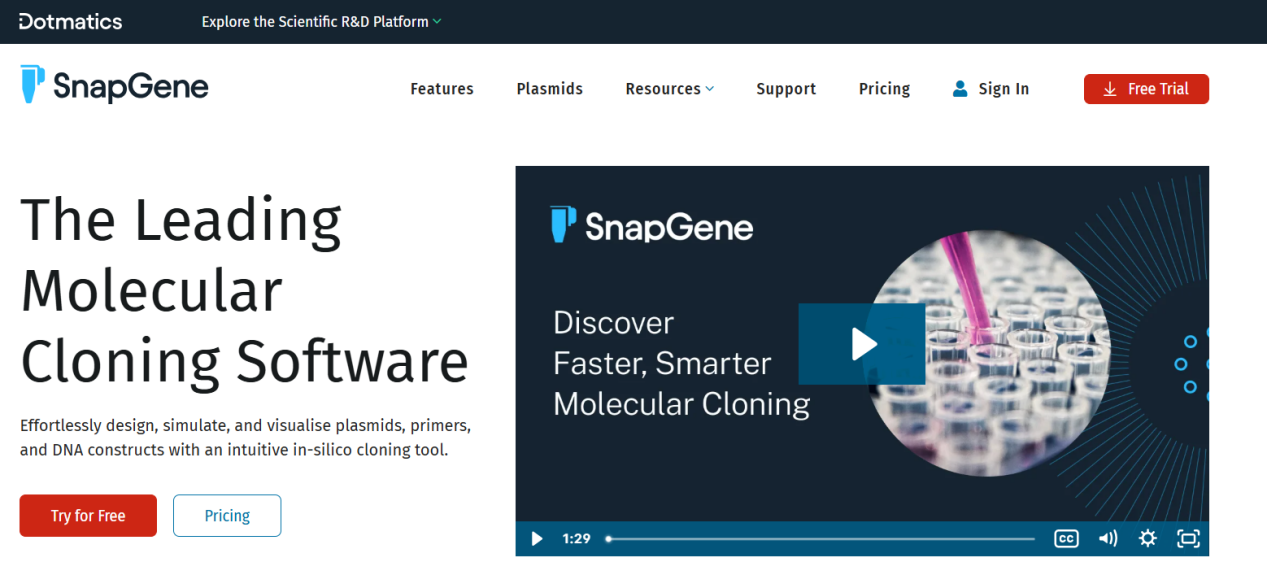
6. SnapGene – A Worry-Free Tool for Molecular Cloning
SnapGene is a molecular biology software developed by SnapGene (formerly GSL Biotech), mainly used for plasmid map drawing, DNA sequence analysis, cloning design, primer design, and molecular cloning simulation. It comes in a desktop version (SnapGene) and cloud collaboration versions (SnapGene Viewer / SnapGene Cloud), and is widely used in molecular biology laboratories.
URL: https://www.snapgene.com/
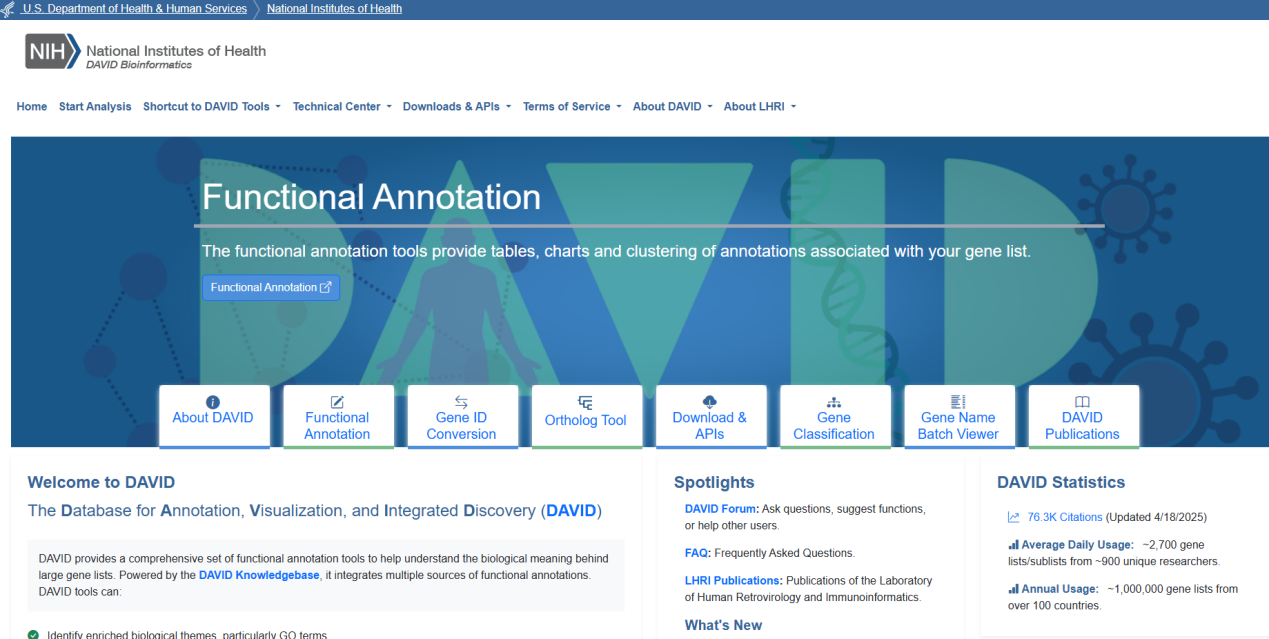
7. DAVID
Key features: A powerful tool for gene functional annotation and enrichment analysis. By performing GO (Gene Ontology) and KEGG Pathway enrichment analysis on a set of genes (e.g., differentially expressed genes), it helps you understand the underlying biological functions.
Web link: https://david.ncifcrf.gov/
8. WebLogo – Sequence Conservation Visualization Tool
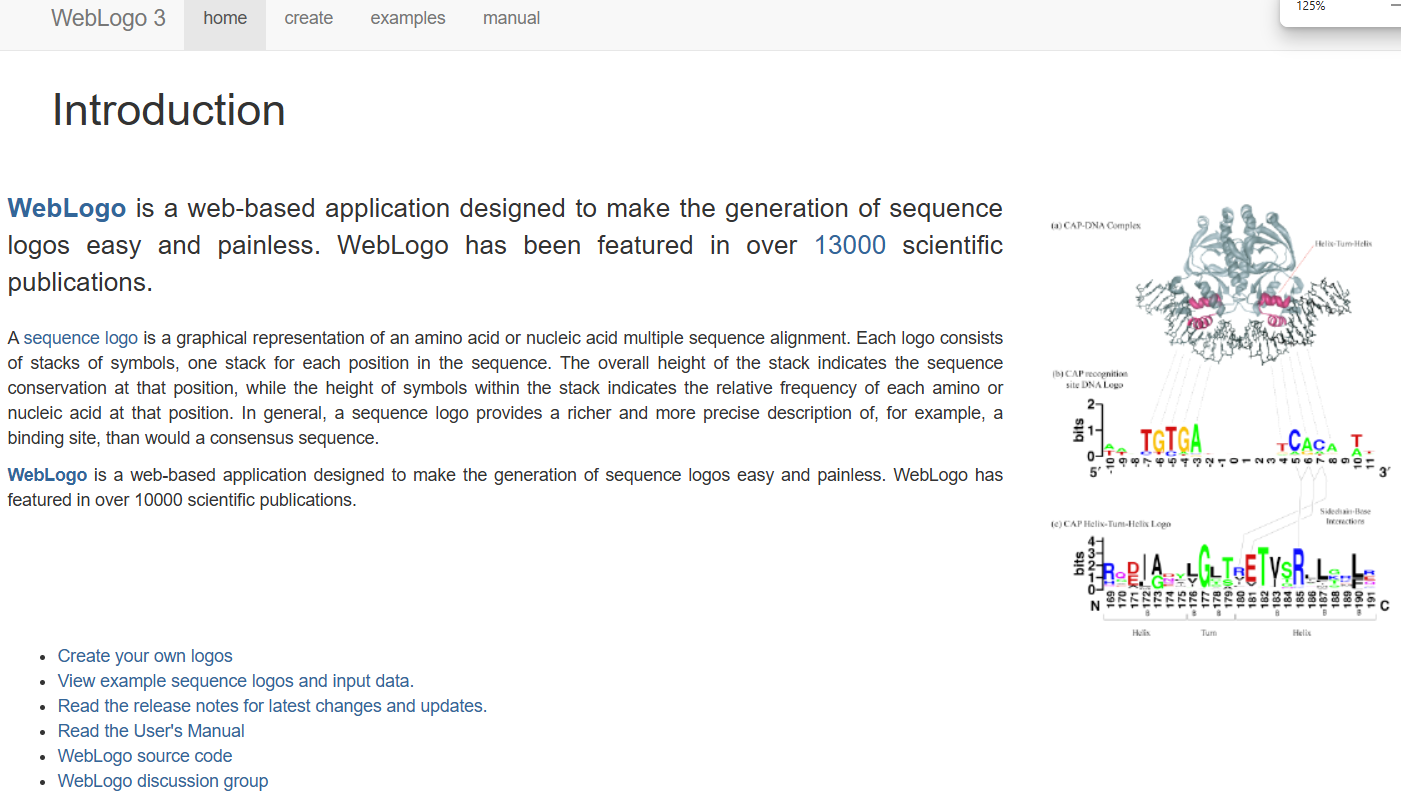
WebLogo is a classic tool for generating sequence logo images that intuitively shows the preference for bases or amino acids at each position across multiple sequences. It suits scenarios such as transcription factor binding site analysis, protein family conservation studies, and mutation effect assessment. It produces figures quickly, supports export in multiple formats, and is simple and efficient, making it a commonly used visualization approach in sequence analysis.
URL: https://weblogo.threeplusone.com/
9. Benchling
Key features: A cloud platform that integrates molecular biology experiment design (plasmid map drawing, sequence alignment), electronic lab notebook (ELN), data management, and collaboration, greatly improving the efficiency of molecular cloning experiments.
Web link: https://www.benchling.com/
10. UniProt
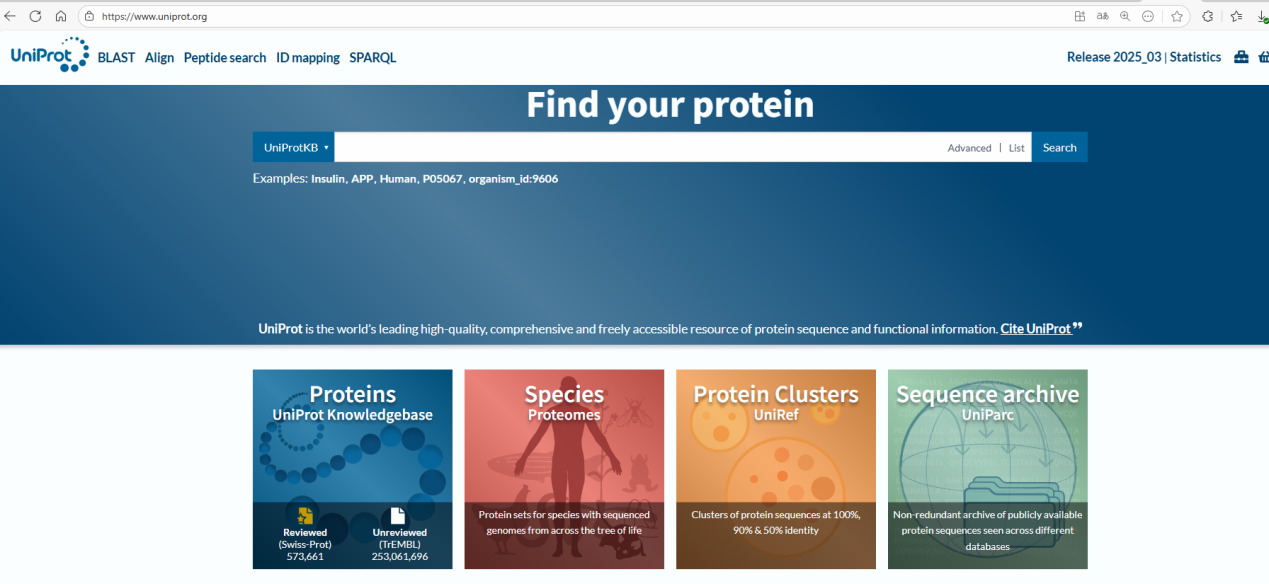
UniProt is one of the world's most authoritative and widely used databases of protein sequence and functional information, maintained by the UniProt Consortium and integrating resources from the European Bioinformatics Institute (EMBL-EBI), the Swiss Institute of Bioinformatics (SIB), and the U.S. Protein Information Resource (PIR). It is an infrastructure-level database for fields such as bioinformatics, proteomics, and molecular biology.
Core features:
Sequence search and download: Supports searching by protein name, gene name, species, accession number, sequence features, etc., with batch download in FASTA, XML, JSON, and other formats.
Functional annotation browsing: Each entry includes protein name, gene, species, sequence, domains, post-translational modifications, subcellular localization, tissue expression, interactions, disease associations, literature citations, and more.
BLAST sequence alignment: Built-in or linked BLAST tools enable homology searches.
ID mapping: Supports converting identifiers between different databases, such as mapping UniProt IDs to Ensembl, RefSeq, PDB, KEGG, GO, and more.
API and batch access: Provides REST API, FTP download, and SPARQL query interfaces for programmatic access and batch analysis.
Cross-references: Cross-links to numerous external databases, including PDB, Ensembl, RefSeq, GO, KEGG, InterPro, PubMed, and more.
Web link: https://www.uniprot.org/
11. STRING
If you want to study protein–protein interaction networks, we highly recommend using STRING.
Key features: A powerful protein–protein interaction (PPI) network database. Enter a list of genes or proteins of interest, and it predicts and visualizes the known and predicted interactions among them.
Web link: https://string-db.org/
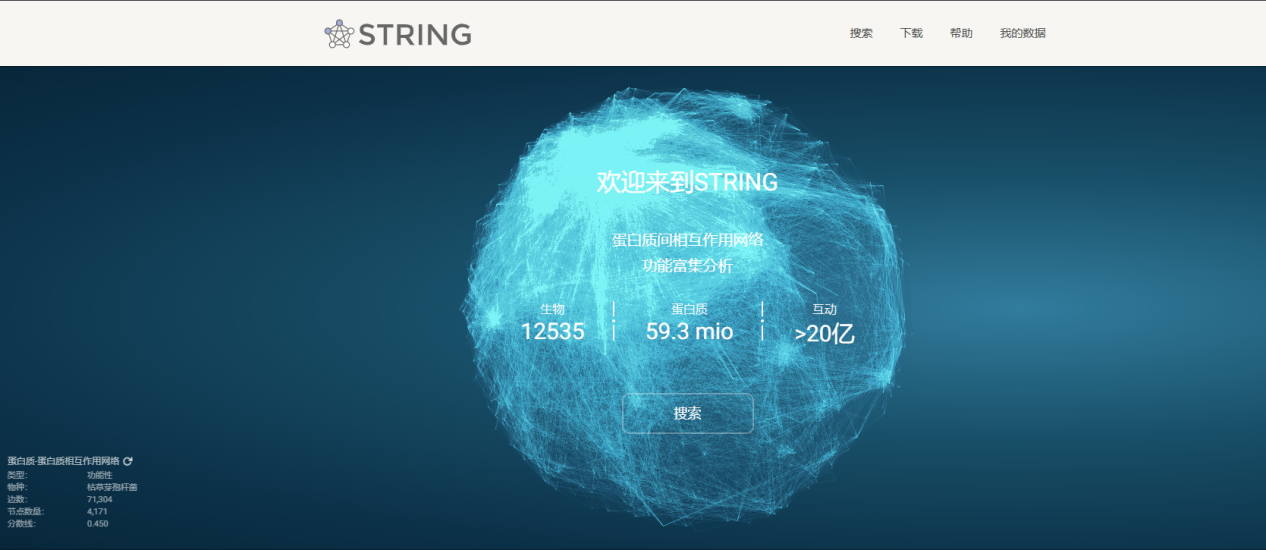
Steps:
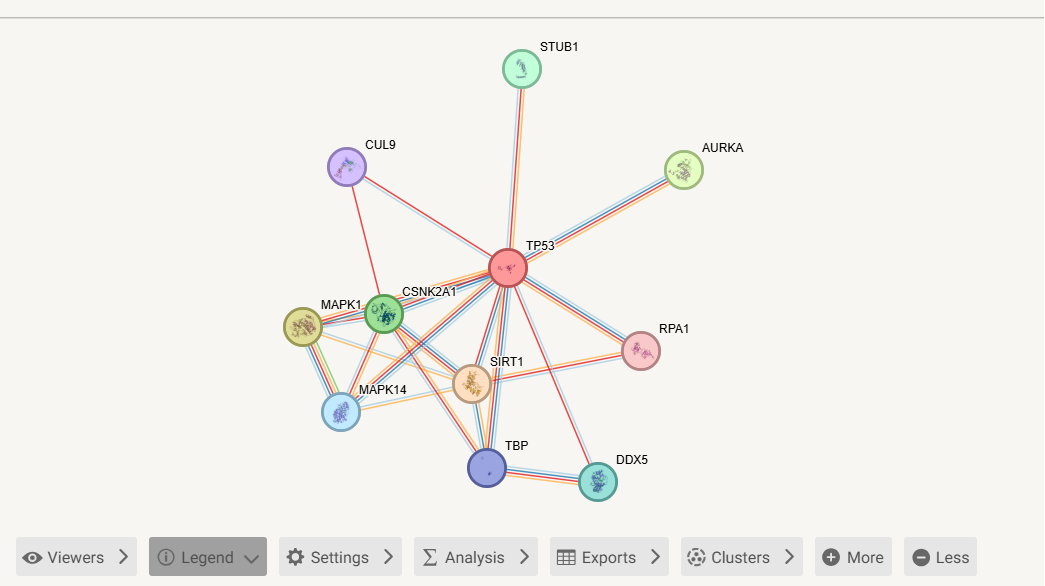
Using the human TP53 protein as an example:
Open the STRING website: https://string-db.org
Select SEARCH – "Protein by name"
Enter in the input box: TP53
Select Organism: Homo sapiens
Click SEARCH
After entering the results page, you will see an interaction network centered on TP53.
12. RCSB PDB (Protein Data Bank)
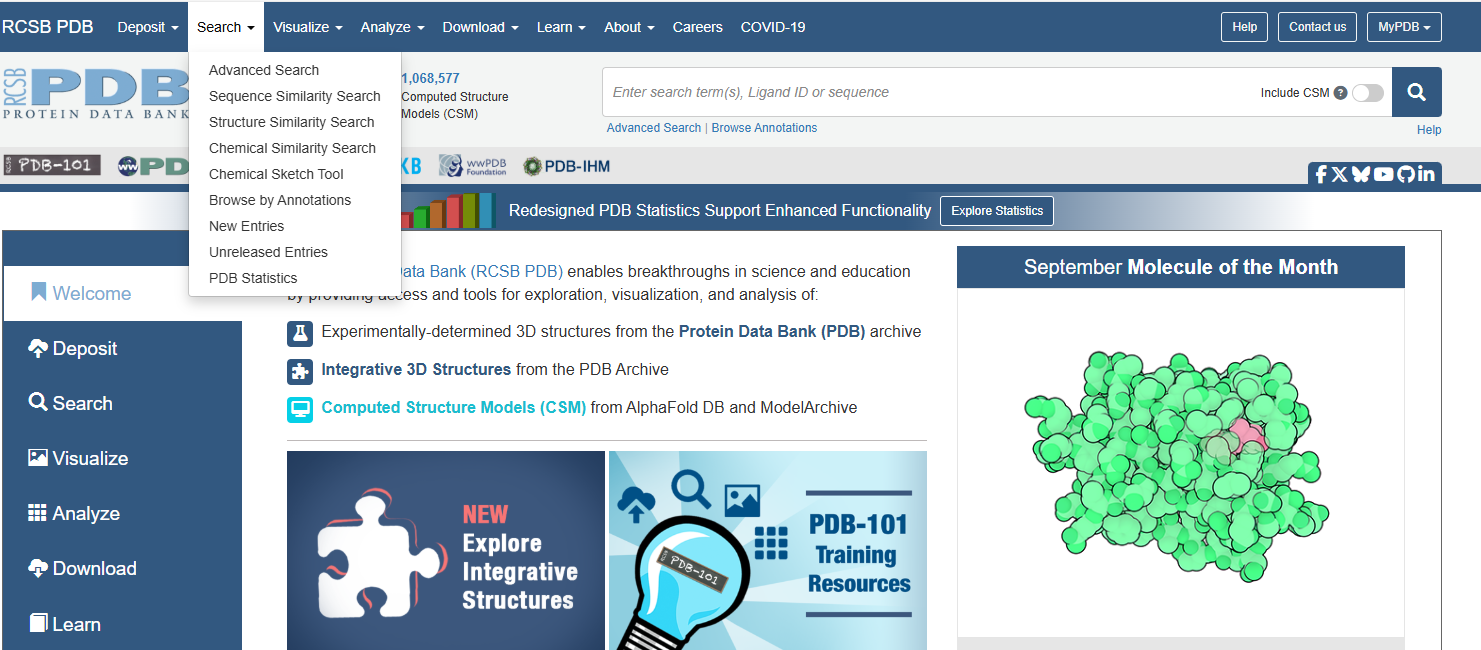
Key features: Stores and provides all publicly available three-dimensional structure data of biological macromolecules such as proteins and nucleic acids. You can download structure files here and use the built-in online tools for visualization and analysis.
Web link: https://www.rcsb.org/
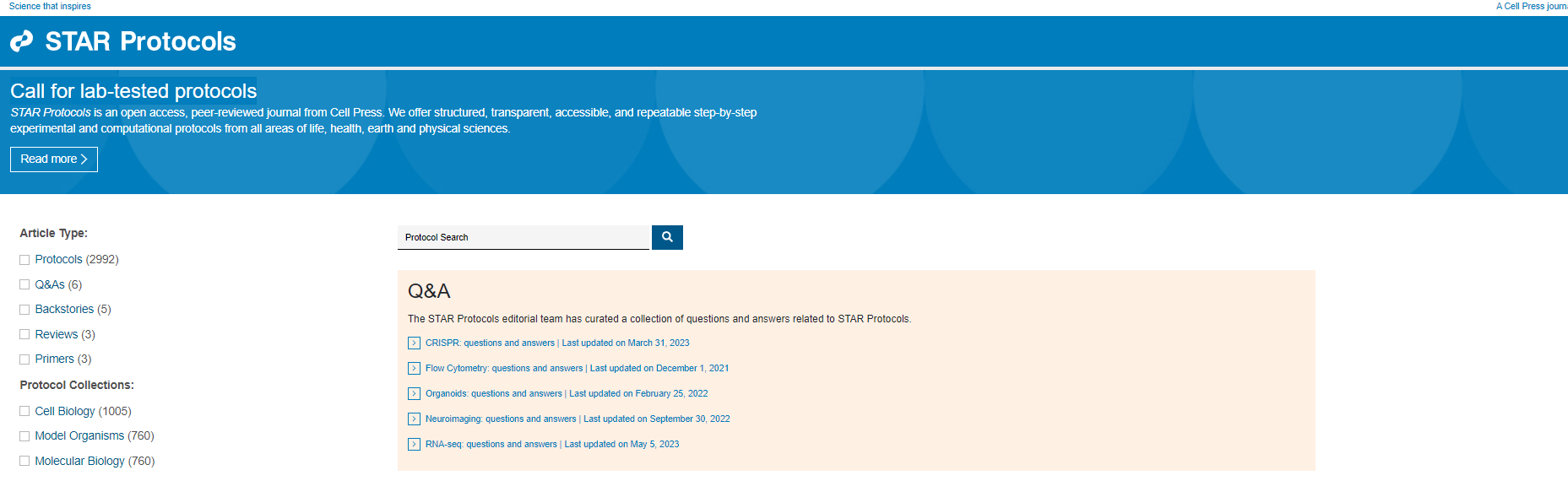
13. Call for Lab-Tested Protocols – Handy Tool for Experimental Protocols
It is a "lab protocol manual" journal published by Cell Press—standardizing and making public the proven methods validated in the laboratory, so that others can directly follow the experimental protocols.
URL: https://star-protocols.cell.com/search
14. ImageJ – Image Processing Powerhouse
ImageJ is a free, powerful Java-based image processing software developed by the National Institutes of Health. It is widely used in scientific research—there is no bad data, only bad analysis, and ImageJ is an essential image processing tool for researchers. It comes in two versions, ImageJ and FIJI: ImageJ does not include plugins and requires manual installation, while Fiji is an enhanced version with common plugins pre-installed.
Software download
First, open this URL
https://imagej.net/software/fiji/downloads
You can choose the installer for your operating system; the Win64 version is approximately 371 MB.

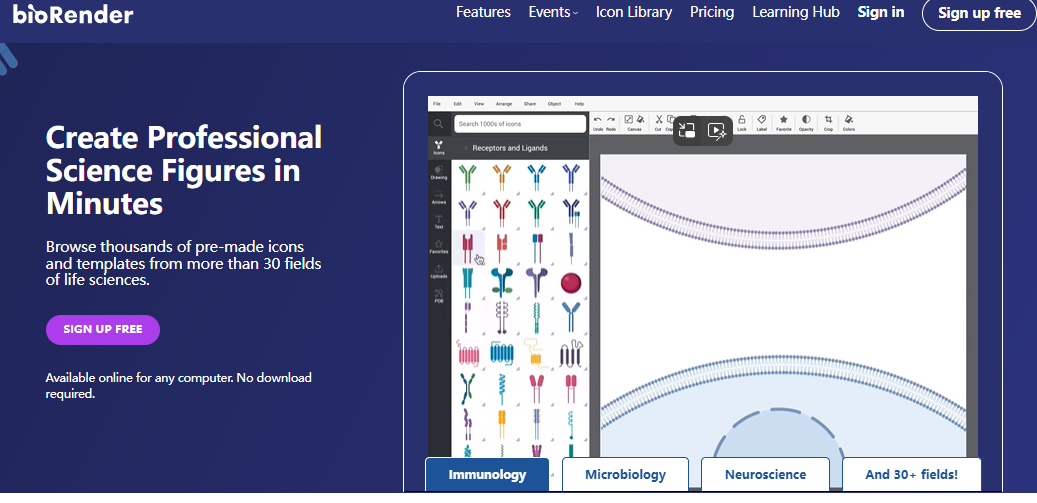
15. BioRender
Key features: An online scientific illustration tool designed specifically for the life sciences. It provides a vast library of publication-ready icons (cells, organs, instruments, pathways, etc.), enabling researchers without artistic skills to quickly create professional mechanism diagrams, flowcharts, and schematics (free for only half a month; a membership is required afterward).
Web link: https://www.biorender.com/
16. BioGDP
URL: https://biogdp.com/
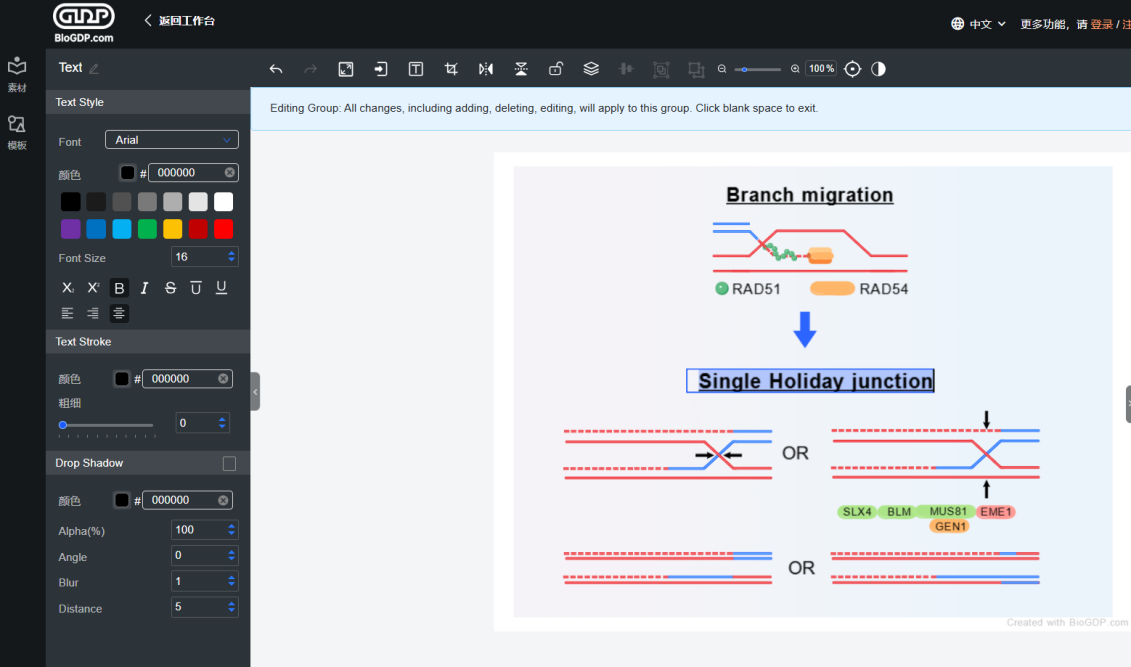
BioGDP is an online illustration platform for the biomedical field, offering a rich library of high-quality drawing assets and templates for creating experimental principle diagrams, mechanism diagrams, flowcharts, and more. Users can upload their own materials, download their results, and choose suitable templates to modify according to their needs.
 |
17. DeepL – English Writing Assistant
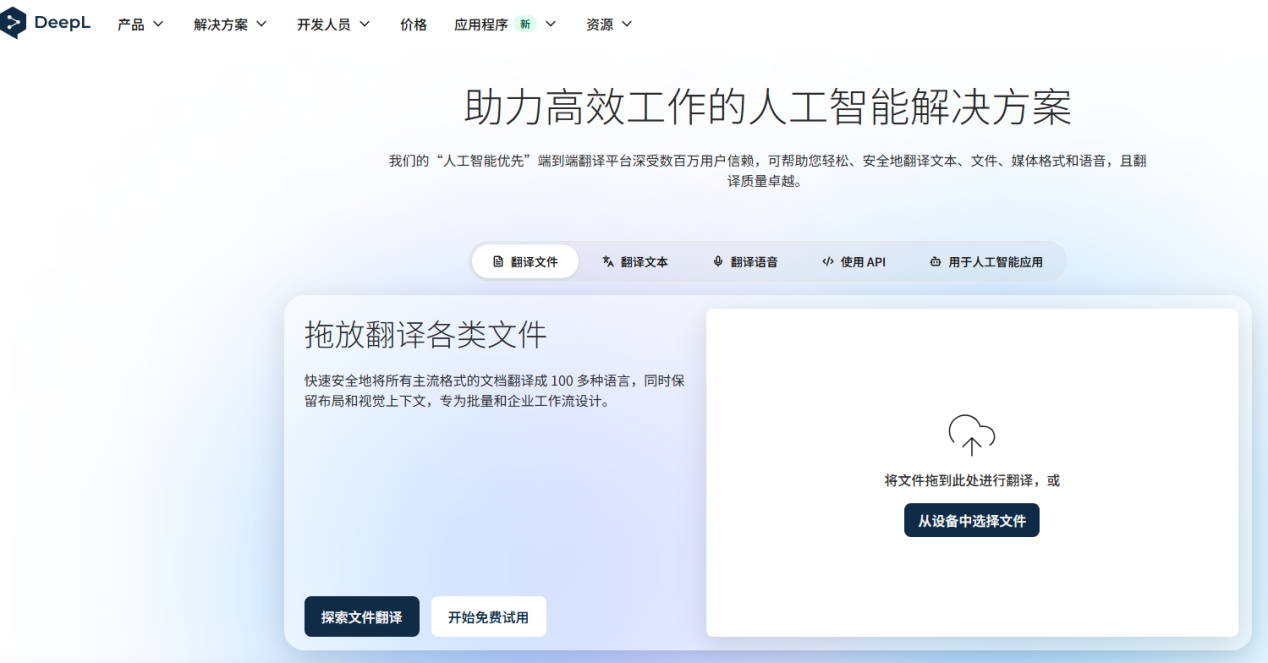
It can easily translate text into multiple languages.
URL: https://www.deepl.com/zh
18. China National Intellectual Property Administration (CNIPA)
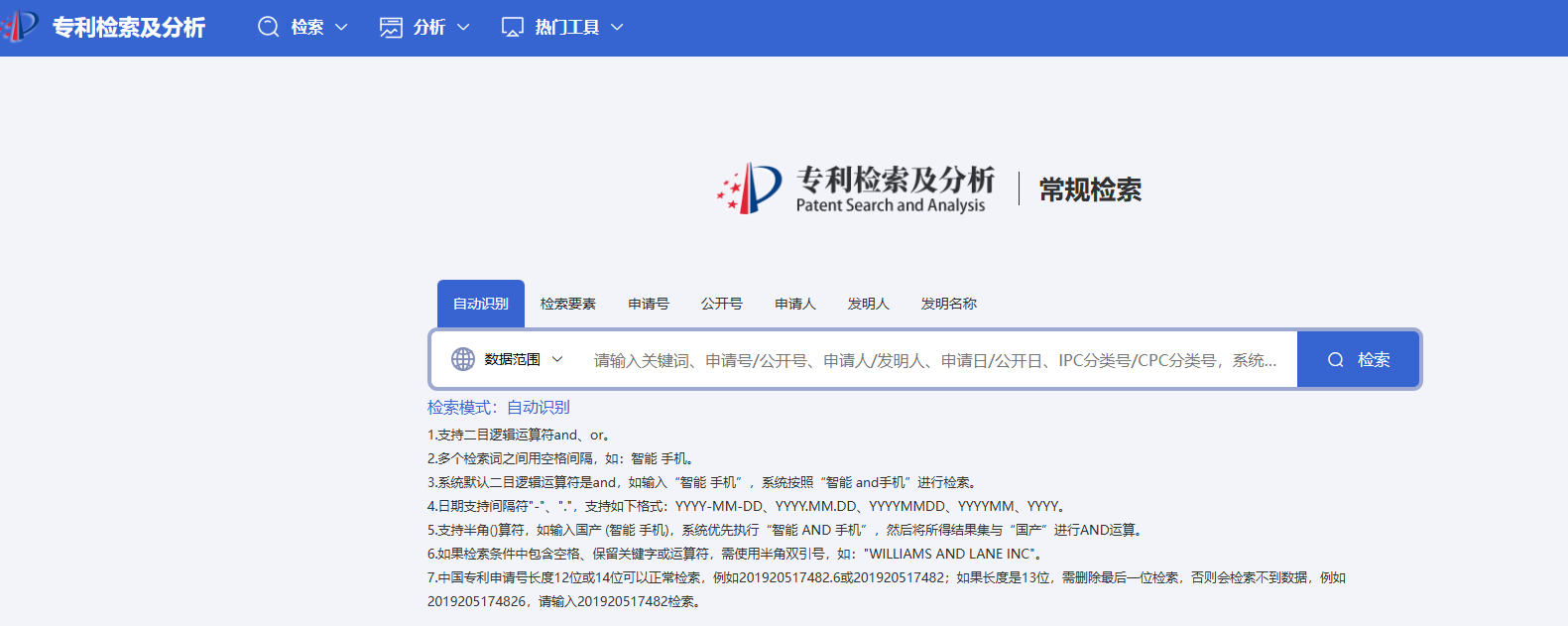
The China National Intellectual Property Administration (CNIPA)—the "first stop" for protecting research and innovation achievements. It provides official search and application services for intellectual property such as patents, trademarks, and geographical indications. Its patent search and analysis system covers patent data from more than 100 countries and regions worldwide, supporting advanced search and batch download.
URL: https://www.cnipa.gov.cn/
Every website and tool on this list has been tested by many researchers in practice. But tools are, after all, just tools—what truly determines your efficiency is whether you can systematically integrate them into your daily workflow of literature research, experimental design, and data analysis according to your project's needs. We hope this compilation helps you avoid some detours, leaving the time you save for more worthwhile thinking and discovery. The research journey is long—may these tools accompany you to walk more steadily and faster.